Ivory Coast's Delayed 2026/27 Cocoa Crop Meets the EUDR Deadline: What EU Buyers Should Watch
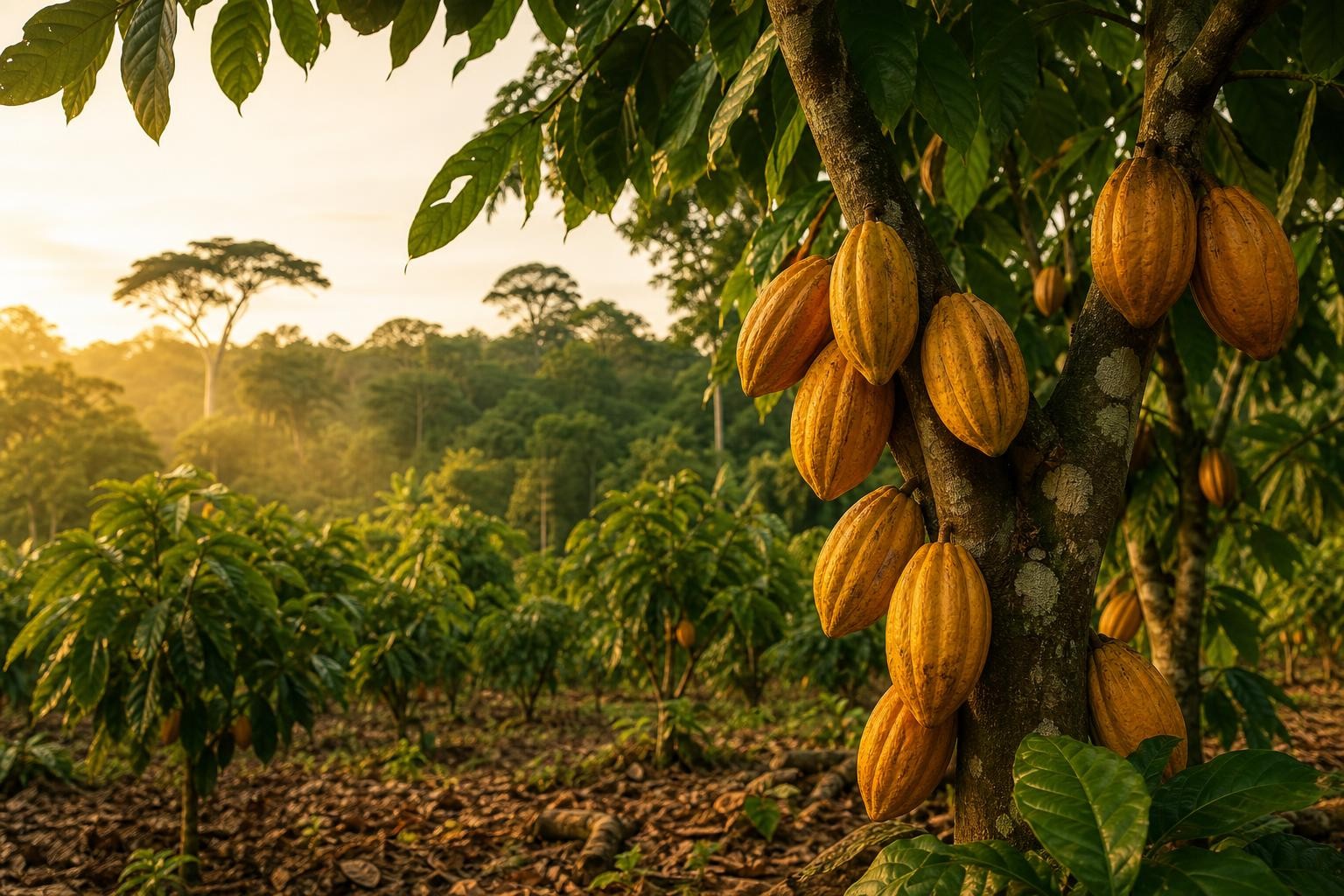
Côte d'Ivoire's new cocoa season opened on 1 September 2026 - later than usual - and that timing collides awkwardly with the final run-up to the EU Deforestation Regulation's 30 December 2026 application date. If your due diligence program treats "Ivory Coast" as a single, static risk profile, the current gap between what the government is saying and what exporters on the ground are reporting is worth understanding before you finalize this season's sourcing.
We've already covered the mechanics of EUDR cocoa due diligence in our cocoa compliance guide. This post isn't that. It's about a specific, current situation: a delayed harvest, a digital traceability rollout that officials call ready and exporters call incomplete, and what that gap should mean for your buying decisions this quarter.
The official position: "we are ready"
Yves Brahima Kone, head of Ivory Coast's Coffee and Cocoa Council, has told Reuters the country is "ready to prove that our cocoa is traceable and certified," pointing to a digital producer ID-card system that has been in testing since 2019 - roughly seven years - and which he says is "up and running." The card is meant to link each farmer's cocoa to a verifiable plot and identity, the backbone of the traceability data EU buyers need to satisfy their own EUDR due diligence.
Ivory Coast has an estimated 1.2 to 1.3 million cocoa farmers. Standing up a nationwide digital identity and traceability system across a farmer base that size, in that timeframe, is a genuinely large undertaking - and the government's framing is that it has been done.
The exporter position: gaps on the ground
Reuters' reporting tells a less settled story. Speaking to multiple buyers, exporters, and cooperative managers, sources described:
- Gaps in producer-card distribution that could prevent some farmers from selling their beans at all this season if their card isn't yet issued or activated.
- Shortages of the terminals and equipment needed to read and process the cards at collection points.
- Broader supply-chain bottlenecks tied to the September launch itself, as the system and the harvest ramp up simultaneously.
- Continued difficulty preventing cocoa grown on protected or classified forest land from mixing with legitimately sourced, certified beans once it enters the trading system.
One European export company director put it plainly: "There will be delays in purchasing, in exports, and throughout the entire supply chain."
The number that matters most: 15% vs. 30%
The single most important figure for EU buyers to sit with is not a shipping statistic - it's the size of the disagreement over deforestation exposure itself. Ivory Coast's official government estimate is that about 15% of national cocoa output comes from land inside protected or classified forests. Independent exporters and NGOs estimate the real figure is closer to 30% - roughly double.
That is not a rounding difference. It is the difference between a residual risk you can manage with targeted supplier engagement and a risk that affects roughly one in three tonnes of Ivorian cocoa in the market. Under EUDR, the due diligence and risk-assessment burden sits with the EU operator, not with the origin-country government's own estimate of its problem. A national traceability system being "up and running" at the country level doesn't tell you, shipment by shipment, which side of that 15-30% gap your specific supply is on.
What this means for sourcing decisions this quarter
- A late, compressed harvest plus a live traceability rollout is a bottleneck risk, not just a compliance risk. If producer cards aren't fully distributed and terminals are short, expect purchasing and export delays independent of anything EUDR requires - plan your shipping and DDS-filing windows with that in mind, especially as volumes concentrate ahead of 30 December.
- Don't let "the country says it's ready" substitute for your own plot-level verification. Ask specifically which cooperative or estate your beans trace back to, and whether that specific origin has documented, verifiable geolocation data - not just whether the exporter can point to the existence of a national card system.
- Treat the 15-30% estimate gap as a reason to weight independent verification over self-reported origin data. Where possible, prioritize suppliers who can produce their own polygon-level evidence rather than relying solely on the government identity-card system as your evidence of deforestation-free status.
- Build in contingency time. If your current shipping and DDS-filing schedule assumes a smooth September-December ramp, the reported card and terminal shortages are a concrete reason to build slack into that plan now rather than in November.
Ivory Coast's own institutions are not being dishonest by calling the system "ready" - a national card and traceability infrastructure that has been seven years in development is a real achievement. But "ready" at the system level and "verified" at the shipment level are different claims, and EUDR asks EU operators to answer the second one, not the first.
Sources: Reuters, via CNBC Africa - "Ivory Coast says ready for EU cocoa rules as exporters warn of delays"; CNBC Africa - on the delayed crop and port congestion risk.
Related reading
EUDR Compliance Costs After Simplification: What the 75% Figure Actually Means for Your Budget
The Commission estimates a 75% cut in EUDR compliance costs EU-wide. Here's why that aggregate figure doesn't map onto your invoice - and how to build a budget you can actually defend.
EUDR Risk Assessment and Mitigation: How to Show 'No Risk or Only Negligible Risk' (Articles 10 and 11)
Between collecting supplier data and filing a due diligence statement sits the step most teams under-document: risk assessment and mitigation. Here is how the two stages work and how to evidence them.
Indonesia, Palm Oil and the EUDR: Why Processed Imports Are the Real Exposure
Indonesia supplies a modest share of the EU's crude palm oil but more than half of its processed palm oil. That split, plus a forecast production dip in 2027, shapes where EUDR exposure sits.